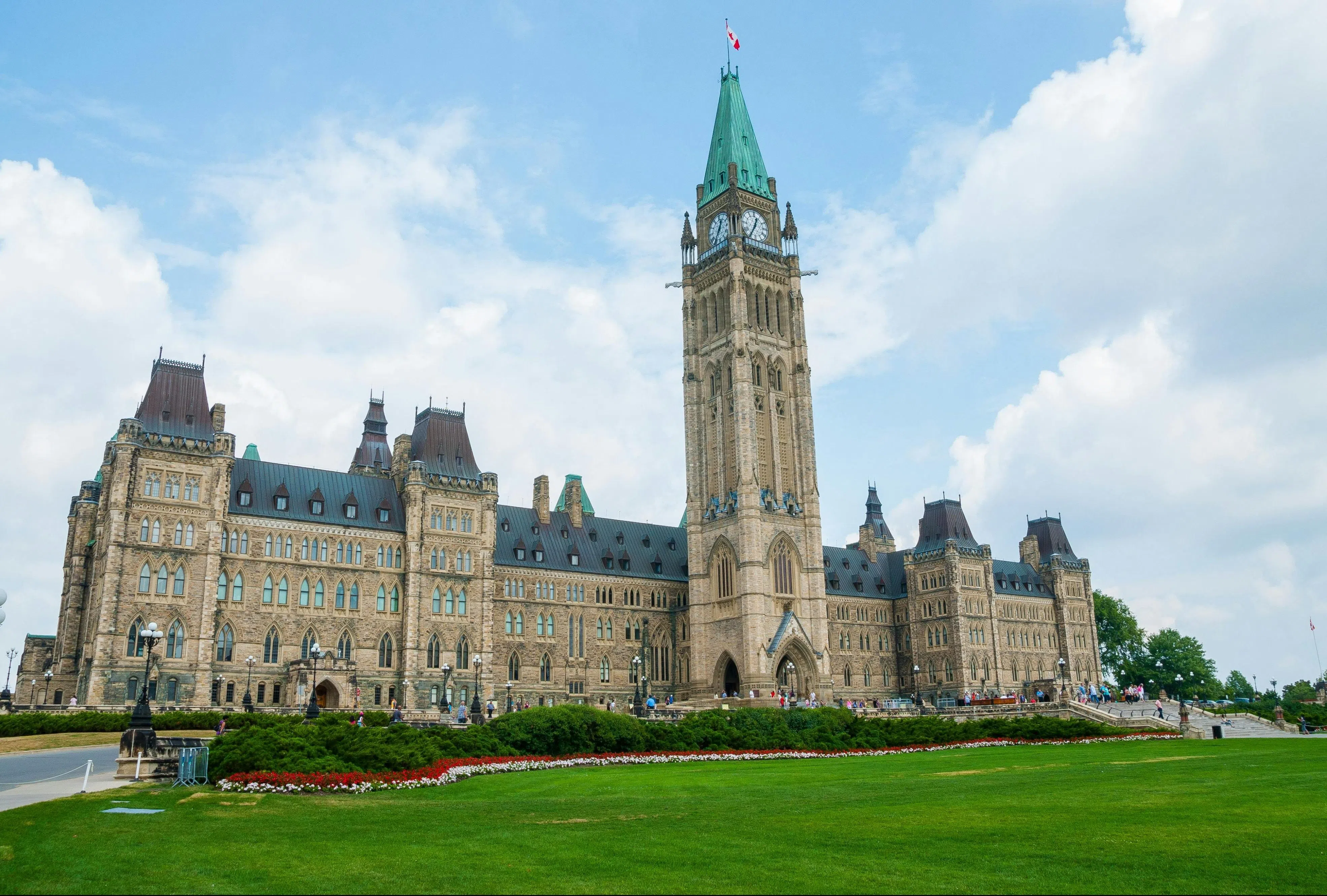
The federal Liberals have secured a majority in the House of Commons following a series of recent byelection wins, giving the government the numbers needed to pass legislation without relying on opposition parties.
The results mark a significant shift in Ottawa, strengthening the position of Prime Minister Mark Carney and allowing the government to move forward more quickly on its policy agenda.
However, the outcome is drawing criticism from opposition voices, including Northumberland-Peterborough South MP Philip Lawrence.
In a post on social media, Lawrence said the majority was not earned through a general election, but instead the result of what he described as backroom political deals.
The criticism reflects a broader debate over how the Liberals reached majority status, and whether it carries the same mandate as one secured through a national vote.
With the political landscape now shifted, attention is turning to what the majority means in practical terms for Canadians.
A majority government can move legislation forward more easily, without the need to negotiate with other parties to secure support. That could accelerate action on key issues such as housing, affordability, and the overall cost of living.
At the same time, the lack of reliance on opposition votes can reduce parliamentary checks on government decisions, placing greater scrutiny on how that power is used.
As the Liberals move forward with a majority, the focus is expected to shift quickly from how it was achieved to whether the government can deliver meaningful results on the issues Canadians are facing.
(Written by: Joseph Goden)